
Currently Empty: $0.00

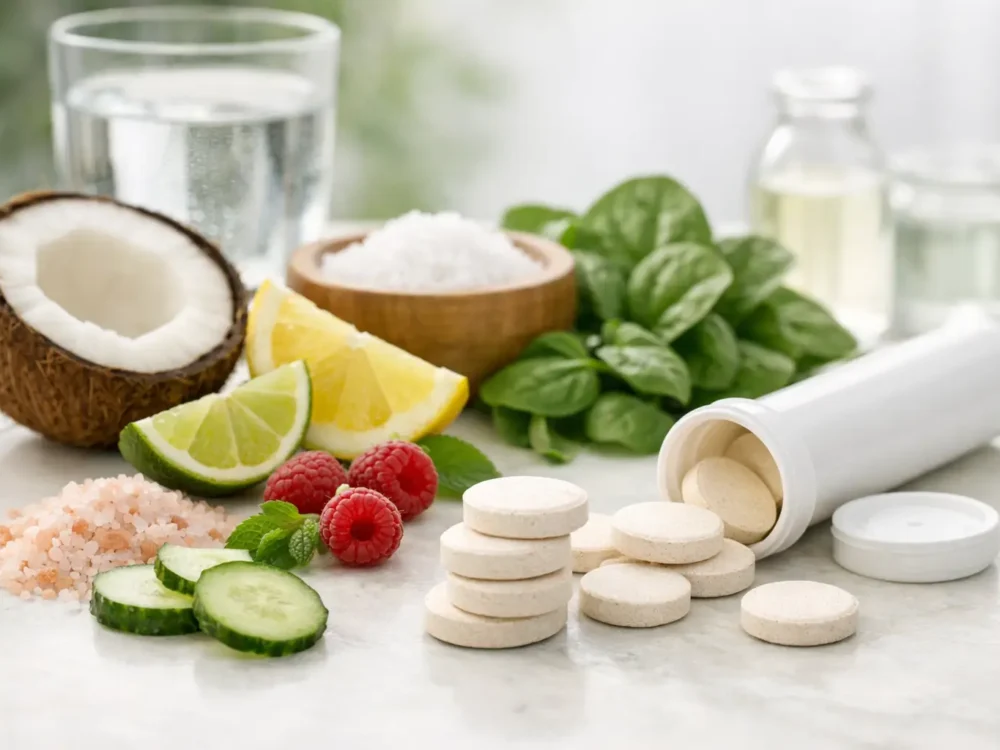
You can tell a lot about a hydration product by flipping it over. If the label reads like a chemistry quiz and the front says only “performance,” it is fair to pause. When shoppers search for vegan electrolyte tablets ingredients, they are usually asking a more practical question – will this support hydration without slipping in animal-derived additives, excess sugar, or fillers they do not want in a daily routine?
That is the right question to ask. Electrolyte tablets are supposed to make hydration easier, especially for workouts, travel, hot weather, and long workdays when plain water is not always enough. But not every tablet is built the same. Some formulas stay clean and straightforward. Others lean heavily on colors, sweeteners, binders, or flavor systems that can matter if you want a vegan, natural-leaning product.
What vegan electrolyte tablets ingredients should include
At the core, a good electrolyte tablet is built around minerals that help regulate fluid balance, muscle function, and nerve signaling. The most common are sodium, potassium, magnesium, calcium, and sometimes chloride. You do not always need all of them in high amounts, and the right balance depends on how you use the product.
Sodium is usually the main player because it is the electrolyte most heavily lost through sweat. If you are taking tablets after exercise, during intense heat, or after a long day of physical activity, sodium content matters. A tablet with very low sodium may sound healthier on paper, but it may not be the best fit for real hydration support.
Potassium helps balance fluids inside cells and works alongside sodium. Magnesium can support muscle function and may be useful for active people, though too much in one serving can bother sensitive stomachs. Calcium shows up less often as a headline ingredient, but it can still contribute to the overall formula.
The ingredient list may also include acids and carbonate compounds that create the effervescent effect. Citric acid and sodium bicarbonate are common examples. These are generally vegan and are there for function, not hype. They help the tablet dissolve quickly and can improve taste, which matters if you are trying to stay consistent.
Ingredients that make a tablet vegan or not
Most electrolyte minerals themselves are vegan. The issue usually comes from the supporting ingredients, not the electrolytes. That is where shoppers need to read carefully.
A truly vegan tablet avoids gelatin, dairy-derived compounds, honey, and certain color additives or flavor carriers that may be animal-derived. In tablets specifically, magnesium stearate can raise questions because it can be sourced from either plant or animal fats. It is not automatically non-vegan, but brands should be clear about sourcing if vegan positioning is part of the promise.
Natural flavors are another gray area for some shoppers. In many cases they are plant-based, but the term alone does not always tell you enough. If you are strict about ingredient transparency, it makes sense to look for formulas that pair a vegan claim with clear clean-label standards such as cruelty-free, non-GMO, and straightforward excipient choices.
Coloring is worth checking too. Some bright tablets use artificial dyes that are vegan in a technical sense but do not align with a cleaner wellness routine. That does not make them unsafe by default, but it does change the product’s fit for shoppers who want a simpler formula.
The sweetener question matters more than most people think
Taste drives compliance. If a tablet tastes harsh or salty, many people stop using it. That is why sweeteners are common in effervescent hydration products. The trade-off is that sweetening systems can shape the overall quality of the formula.
Some tablets use sugar or dextrose. That can be useful for endurance athletes who want both hydration and a quick carbohydrate source, but it is not necessary for everyone. For everyday hydration, many shoppers prefer low-sugar or sugar-free options.
Sugar-free does not automatically mean better. It depends on what replaces the sugar. Stevia and monk fruit are often more attractive to clean-label buyers. Sucralose and acesulfame potassium are common in mainstream products and can improve flavor, but some people prefer to avoid artificial sweeteners for personal or digestive reasons.
There is no universal winner here. If you use electrolyte tablets during long training sessions, a little sugar may actually support performance. If you want a daily hydration product for office hours, travel, or light workouts, a vegan formula with no added sugar and a cleaner sweetener system may make more sense.
Common additives in vegan electrolyte tablets ingredients
This is where labels start to separate basic hydration products from more polished retail formulas. Besides electrolytes and flavoring, you may see binders, anti-caking agents, acidity regulators, and tablet-forming ingredients.
Not all of these are bad. In fact, some are necessary for the tablet to stay stable, dissolve well, and taste consistent from batch to batch. The question is whether the formula uses them sparingly and transparently.
Look for ingredients such as cellulose, citric acid, sodium bicarbonate, or plant-based stabilizers that serve a clear purpose. Be more cautious when the ingredient panel gets crowded with artificial colors, multiple synthetic sweeteners, or vague proprietary blends that make it hard to tell what you are actually getting.
A shorter label is not always superior, but a more understandable label often is. For many shoppers, especially those building a simple supplement routine, convenience only works when trust is built into the formula.
How to read a label like a smart buyer
Start with the Supplement Facts or nutrition panel, not the front-of-pack promises. Check the sodium first, then potassium and magnesium. Think about your use case. Light daily hydration and heavy sweat loss are not the same thing, so the strongest formula is not always the best formula.
Then move to the full ingredient list. This is where vegan electrolyte tablets ingredients tell the full story. Ask four practical questions. Are the electrolytes present in meaningful amounts? Are the sweeteners a fit for your routine? Are the excipients minimal and clearly there for function? Does the brand back up the vegan claim with other purity signals that make the formula feel credible?
If you are very active, you may prioritize sodium content and fast absorption. If you are using tablets more casually, taste, convenience, and a clean ingredient list may matter more. Busy professionals often fall into the second group – they want hydration support that is easy to keep at a desk, in a gym bag, or during travel without adding complexity.
Effervescent tablets vs capsules for vegan hydration
Tablets and capsules can both be vegan, but they serve different preferences. Effervescent tablets win on taste and ease. Drop one into water, and you get a flavored drink that can encourage you to actually finish the bottle. That matters more than many people admit.
Capsules are simpler and often skip the flavoring, sweeteners, and effervescent agents. For some shoppers, that is a plus. For others, it becomes a downside because swallowing capsules does not create the same hydration habit as drinking a full glass of water.
The best choice depends on consistency. If you know you are more likely to use an effervescent product daily, then a clean vegan tablet may be the better real-world option, even if the ingredient list is slightly longer than a capsule formula.
Red flags and green flags to watch
A few signs usually point in the right direction. Clear mineral amounts, a transparent vegan claim, practical flavor choices, and a formula that avoids unnecessary clutter are all strong green flags. Quality markers such as cruelty-free, non-GMO, and natural-ingredient positioning can add confidence when they are supported by a sensible label.
Red flags are more about mismatch than fear. Very low electrolyte content may leave active users underwhelmed. Very high sweetener intensity can make a product harder to drink regularly. And a premium-looking front label that tells you almost nothing about sourcing or supporting ingredients is not ideal if clean-label standards matter to you.
This is where an education-first brand approach stands out. A hydration product should not force you to choose between convenience and ingredient quality. Sterling Nutrition, for example, leans into that middle ground – modern formats, routine-friendly use, and clean product cues that help shoppers decide faster.
The best formula depends on how you actually live
There is no perfect ingredient list for every person. Someone training hard outdoors in hot weather needs a different electrolyte profile than someone trying to drink more water during back-to-back meetings. Someone avoiding sugar for everyday use may not want the same formula a runner uses on long sessions.
That is why the smartest way to shop is not to chase the flashiest claim. It is to match the formula to your routine. Look for vegan electrolyte tablets ingredients that support the way you hydrate in real life, not the way marketing says you should.
A good tablet should make the healthy choice easier to repeat tomorrow. That is usually the product worth keeping on hand.